Remote Recruiting for Technical Roles: A Complete Guide
In remote recruiting, the best candidate for your next engineering role almost certainly does not live within commuting distance of your office. Remote recruiting is no longer an emergency workaround. It is the standard operating model for companies serious about competing for engineering talent.
Yet the shift from in-person to distributed hiring introduces real complexity. Screening candidates without face-to-face interaction, evaluating coding skills through a screen, coordinating interviews across timezones, and preventing fraud all require deliberate process design and the right technology.
This guide breaks down how to build a remote recruiting process that actually works. You will learn the step-by-step workflow, the tools that make each stage possible, best practices drawn from a real case study (Lenskart's technical hiring transformation), common challenges and how to solve them, and the metrics that tell you whether your process is delivering results.
Whether you are scaling a distributed engineering team or hiring your first remote developer, the workflow below is where to start.
Why remote recruiting has become the default for technical hiring
The talent pool for technical roles is increasingly competitive. For engineering roles in particular, remote and hybrid arrangements are now an expectation: candidates assume they will be offered, and companies that insist on full-time on-site presence routinely lose finalists to competitors that do not. Three factors drive this shift.
Access to a global talent pool. Limiting your search to a single metro area means competing with every other employer in that market for the same candidates. Remote recruiting removes geography as a constraint. You can hire a backend engineer in Bangalore, a data scientist in Berlin, or a full-stack developer in Buenos Aires, all without relocating anyone.
Faster time-to-hire. Remote recruiting eliminates travel schedules, office visit logistics, and the bottleneck of coordinating multiple in-person panels on the same day. Well-designed remote pipelines can compress time-to-hire compared with processes built around in-person panels and travel logistics, though time-to-hire for technical roles often still runs several weeks end to end.
Lower total recruiting cost. Remote hiring reduces recruitment spend by removing candidate travel reimbursement, freeing office and interviewer capacity that on-site loops consume, and opening access to talent in lower-cost markets. The exact savings depend on how much of your prior process was travel- and facility-heavy. For teams making this shift, our guide to remote hiring walks through the practical trade-offs in more detail.
Building a remote recruiting process that works
A structured, repeatable workflow is what separates companies that hire well remotely from those that struggle with bad hires, long timelines, and candidate drop-offs. Here is the step-by-step process.
Step 1: Define the role and remote requirements
Before posting a job, clarify what "remote" means for this specific role. Candidates need to know:
- Is the position fully remote, hybrid, or remote within certain timezones?
- Are there required overlap hours with the core team?
- What equipment, tools, or environment does the role require?
Vague job descriptions are one of the top reasons remote candidates drop out early. Be specific about expectations from the start.
Step 2: Source candidates from a global talent pool
Remote recruiting opens sourcing channels that location-bound hiring cannot access. Effective candidate sourcing strategies for remote roles include:
- Developer communities: GitHub, Stack Overflow, and open-source project contributors
- Global job boards: Remote-specific platforms like We Work Remotely, AngelList, and Remote.co
- Hackathons and coding challenges: HackerEarth's hiring challenges tap a community of 10M+ developers and produce ranked, qualified candidates based on skill rather than resume keywords
- LinkedIn Boolean search: Target candidates with specific tech stacks who have "remote" or "distributed" in their profiles
Building a candidate pipeline proactively (before roles open) gives you a significant speed advantage when positions become available.
Step 3: Screen with automated assessments
This is where remote recruiting either scales efficiently or collapses under volume. Manually reviewing hundreds of applications is not sustainable.
Automated technical assessments allow you to:
- Send standardized coding tests to large candidate pools simultaneously
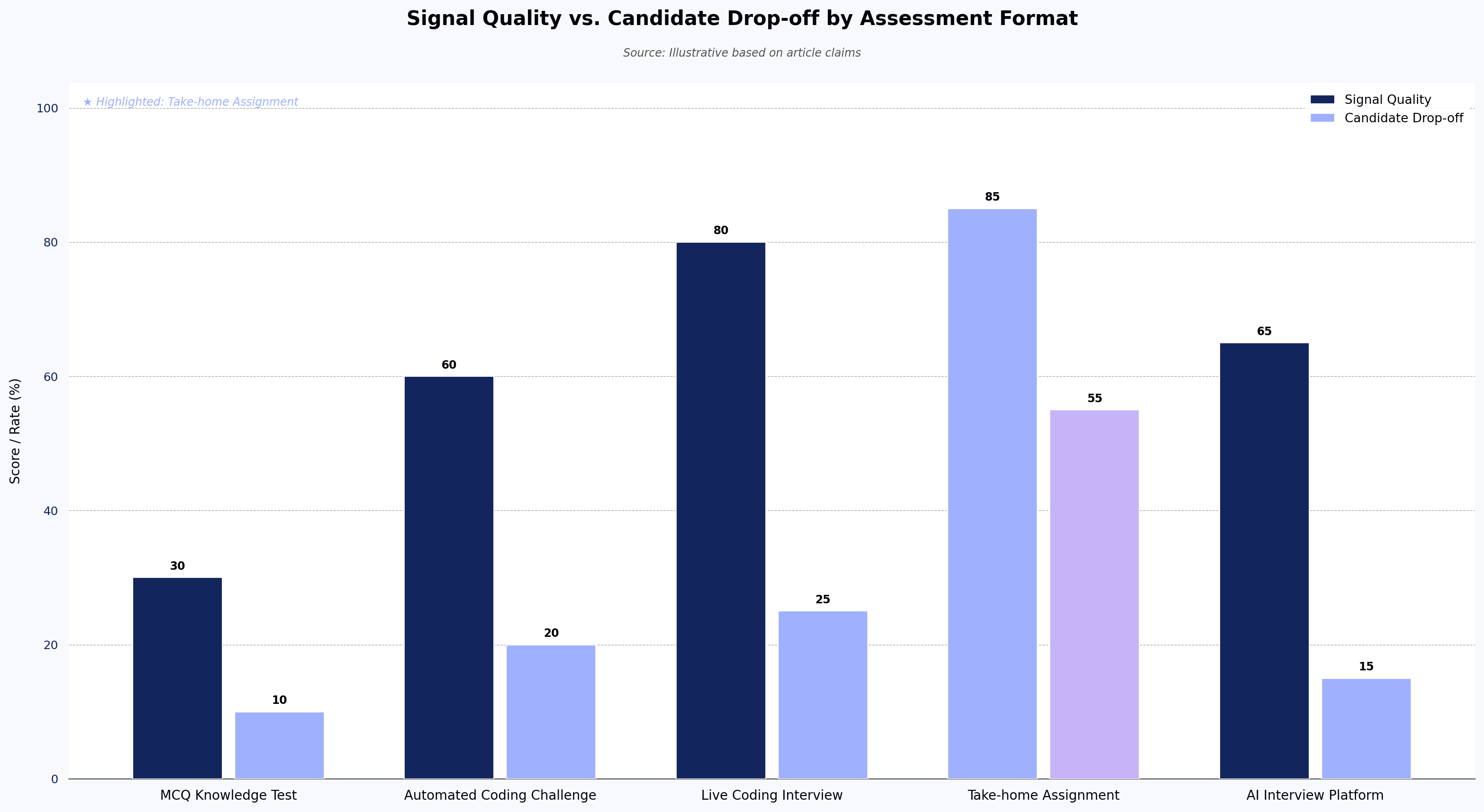
- Evaluate candidates on actual coding ability, not self-reported skills
- Filter objectively using cut-off scores, difficulty levels, and role-specific question sets
- Reduce the influence of unconscious bias by anonymizing submissions
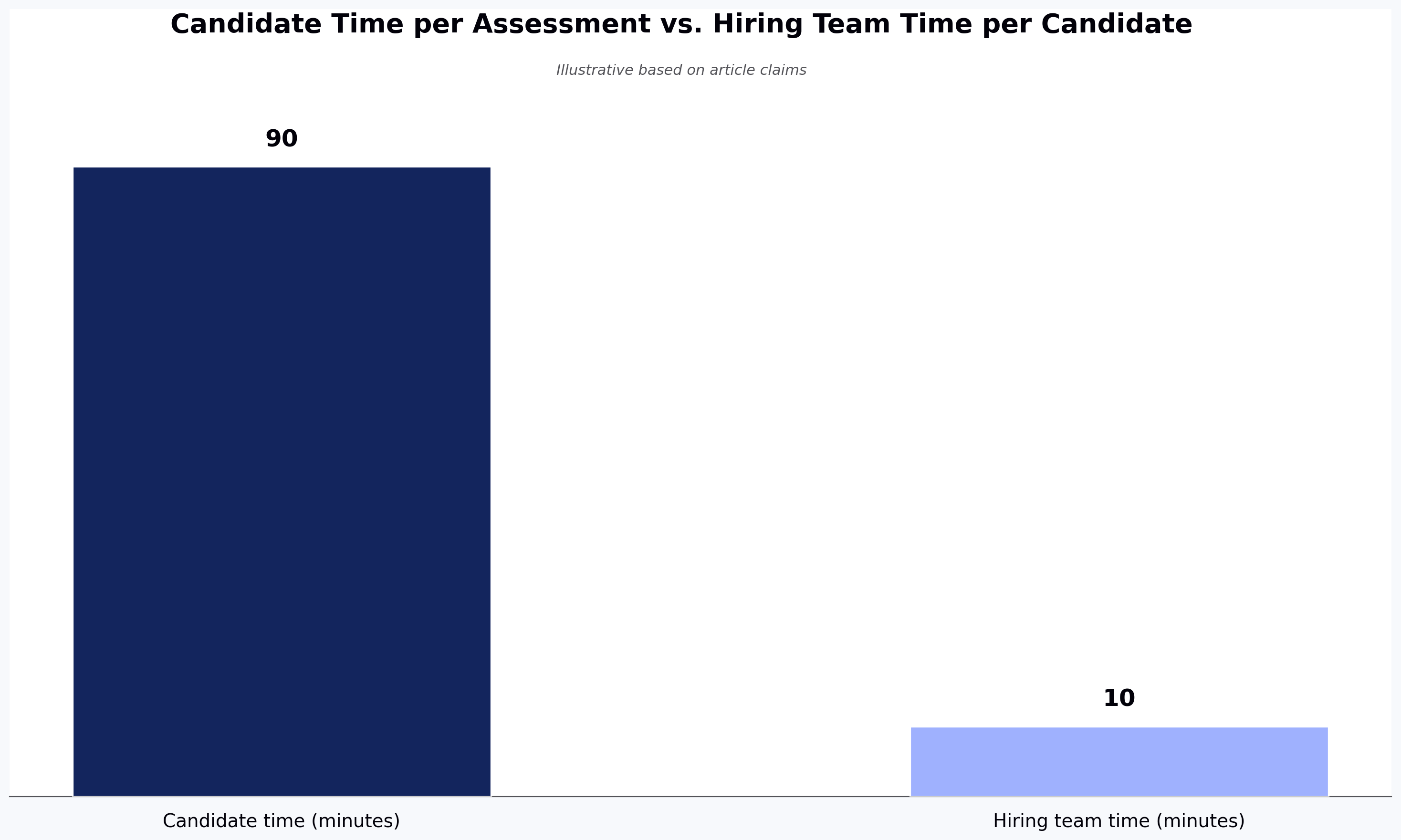
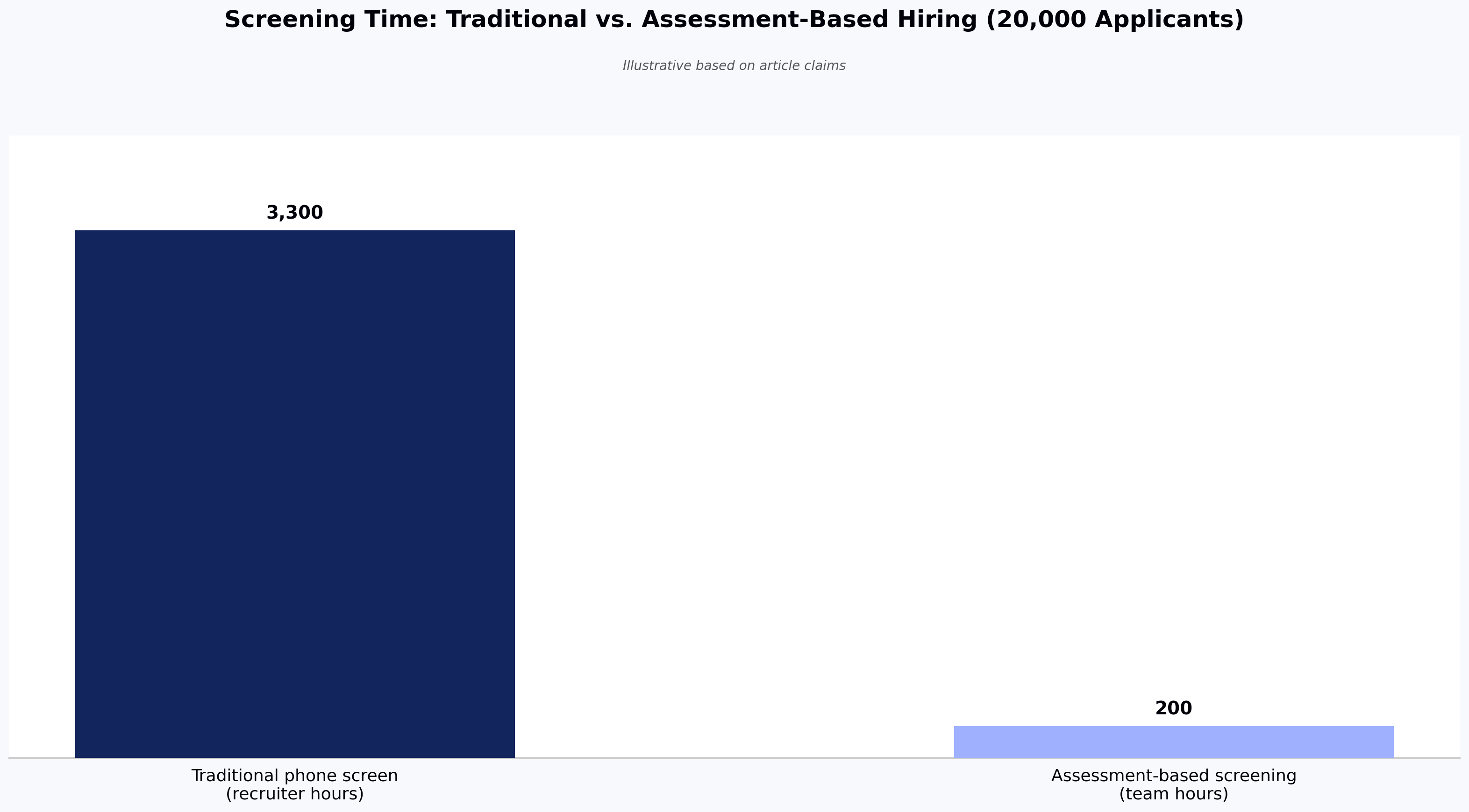
Lenskart's Senior Manager of Talent Acquisition, Satish S, described the impact of switching from pen-and-paper assessments to automated coding tests: "Earlier we would spend at least 45 minutes with a candidate to understand their coding capabilities. Using an assessment, we can roll out a common set of coding questions for a group of candidates and identify who is the best among them within a matter of a few minutes."
Step 4: Conduct remote technical interviews
Once assessments narrow the field, remote interviews evaluate depth. But a standard video call falls short for technical hiring. Engineers need to write, run, and debug code in real time for interviewers to accurately evaluate their skills.
Tools like FaceCode provide a live code editor alongside video, replicating the whiteboard experience of an in-person interview. Interviewers can watch candidates code, ask follow-up questions, and assess problem-solving approach, not just final answers.
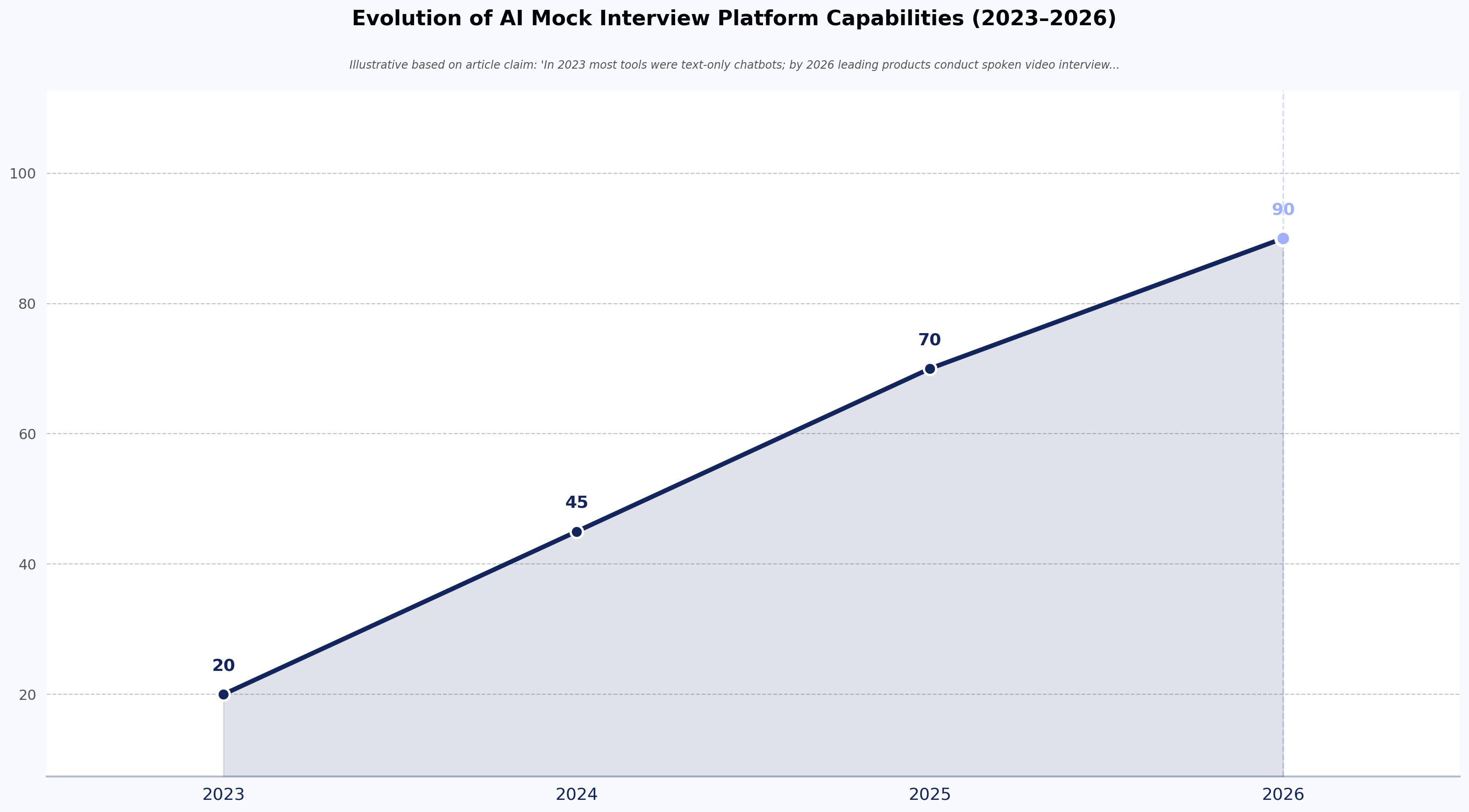
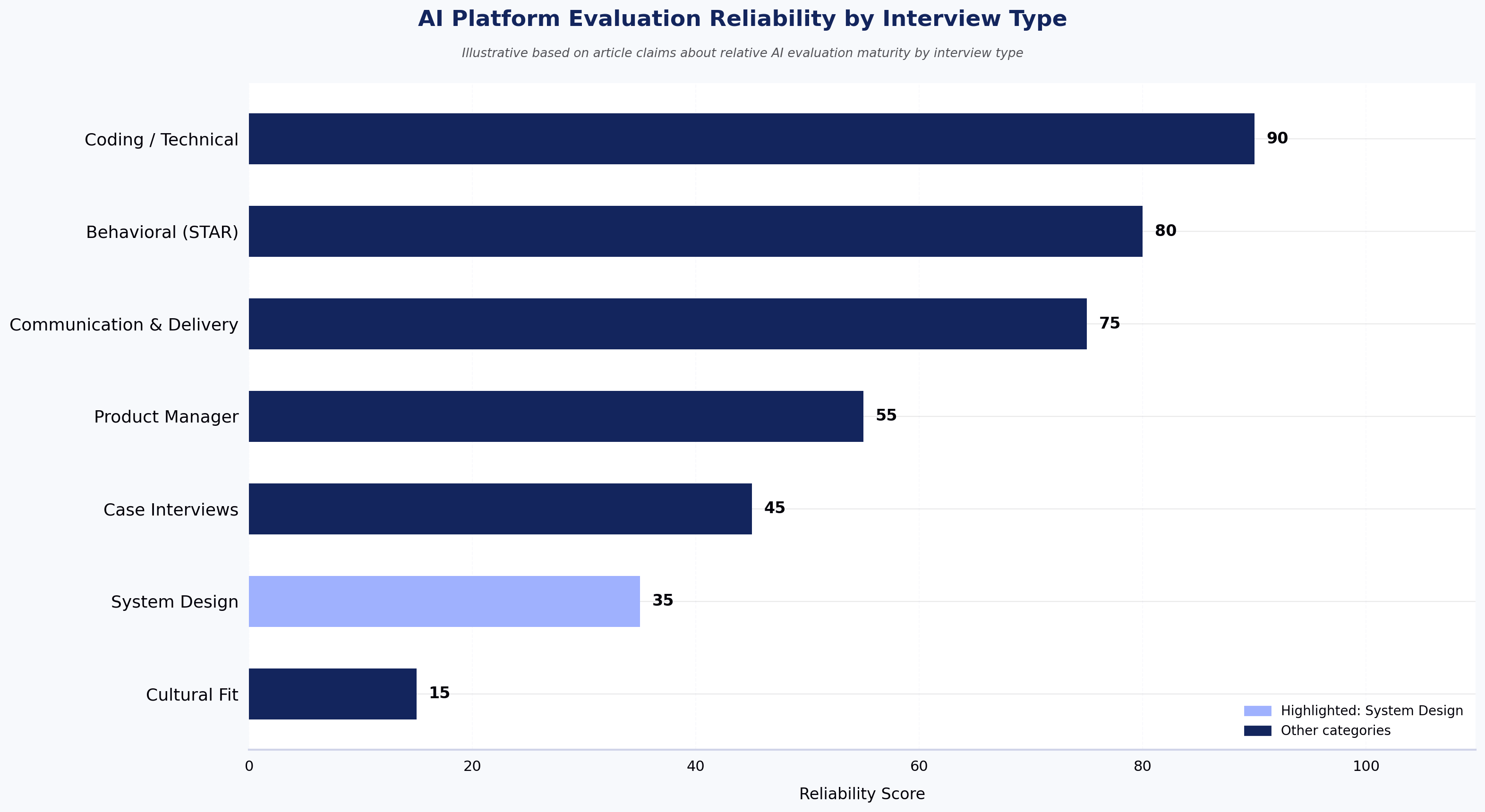
For high-volume hiring, AI-powered interview tools such as HackerEarth's OnScreen now conduct structured technical interviews around the clock. These tools use a deterministic evaluation framework and role-calibrated conversations that adapt to candidate responses; they are best used for early rounds, and a human recruiter should review the transcript and evaluation before any candidate advances. The underlying models are trained on structured interview transcripts and rubric-scored responses rather than on open web text, which narrows their behavior but also means they degrade on questions outside their calibrated role set — a known limit worth accounting for when configuring which rounds they run. A candidate who applies at 11 PM can complete a full technical interview before your team starts work the next morning. This eliminates scheduling friction, the single biggest source of candidate drop-off in remote recruiting.
Step 5: Make the offer and onboard remotely
Closing a remote candidate requires the same urgency as closing an in-person one, often more. Top remote candidates typically have multiple offers in play.
- Move fast. Compress the time between final interview and offer to 48 hours or less.
- Be transparent about compensation, especially if you use location-based pay bands.
- Ship equipment and provide access to tools before day one.
- Assign an onboarding buddy to help the new hire navigate team norms, communication tools, and company culture.
Remote recruiting tools every hiring team needs
The right technology stack makes or breaks your remote recruiting process. Here are the categories that matter most.
Disclosure: this article is published by HackerEarth, which offers products in several of the categories described below. We name specific tools where useful and flag our own products explicitly.
Coding assessment platforms
These platforms let you evaluate technical skills at scale before investing interview time. Evaluating platforms in this category means weighing how well the question library covers your actual stack, whether the difficulty and time-limit controls fit the roles you hire for most, how scoring is reported to hiring managers, and how the platform handles proctoring without degrading the candidate experience. Different platforms trade off differently across these dimensions.
Common platforms in this category include HackerEarth, Codility, CoderPad, and HackerRank.
Live video interview tools
For technical interviews, a basic video call is not enough. The distinguishing question here is whether the code environment feels like a real editor to the candidate — multi-language support, real compilation and execution, and collaborative editing all matter, as does having interviewer feedback capture built into the same tool rather than bolted on afterward.
Tools such as HackerEarth's FaceCode, CoderPad Interview, and HireVue offer variants of this capability.
AI-powered interview agents
The newest category in remote recruiting technology. AI interview agents conduct adaptive technical conversations, adjust questions based on candidate responses, and produce structured evaluation reports.
This is particularly valuable for:
- Companies hiring across multiple timezones where scheduling live interviews is difficult
- High-volume roles where interviewer capacity is the bottleneck
- Initial screening rounds that would otherwise consume senior engineering hours
A few caveats matter. Some candidates prefer human interviewers, particularly for senior roles, so AI interviews are best deployed in early rounds. Jurisdictions such as New York City (Local Law 144) require an annual independent bias audit, public posting of a bias-audit summary on the employer's website, and at least 10 business days' advance notice to candidates before an automated employment decision tool (AEDT) is used — that notice must state the job qualifications and characteristics the tool assesses and explain how to request an alternative selection process or accommodation. Check applicable regulations before rolling these tools out broadly. Penalties under Local Law 144 start at $500 for a first violation and can reach $1,500 per day for each day a non-compliant AEDT remains in use.
Proctoring and candidate verification
Remote assessments and interviews require safeguards against fraud. Effective remote proctoring for online assessments includes:
- Automated identity verification
- Webcam and screen monitoring during assessments
- Browser lockdown to prevent tab switching
- Plagiarism detection across submissions
These measures protect the integrity of your process without creating a hostile candidate experience.
Remote recruiting best practices from Lenskart's hiring team
Lenskart's transition to remote recruiting offers illustrative lessons for any hiring team; the specifics below are drawn from their team's own account rather than published benchmarks. The company moved from a fully traditional, pen-and-paper assessment model to a remote-first hiring process to scale technical hiring.
Beyond the tooling shift, Lenskart's team codified five interviewing practices that measurably improved their remote hiring outcomes:
- Always turn on video. Remote interviews already lack the warmth of in-person meetings. Keeping cameras on makes the process more personal and builds rapport.
- Warm candidates up before coding. Ask about recent projects, technical interests, or problems they have solved. This reduces anxiety and gives you natural follow-up questions.
- Use a real coding environment. Never ask a candidate to write code in a Google Doc. Provide an IDE-like experience where they can write, compile, and test code naturally.
- Space interviews across multiple days. Unlike on-site hiring where all rounds happen in one day, remote interviews should be spread over two days. This gives candidates time to recharge and perform at their best.
- Pause coding when candidates get stuck. If someone hits a wall, switch to a conversation. Discuss their approach, explore alternative solutions, and evaluate their thinking process, not just their syntax.
These practices directly impact candidate experience, which is critical when you are competing for talent you may never meet in person.
How to overcome common remote recruiting challenges
Remote recruiting creates problems that traditional hiring never had to solve. Here is how to address the most common ones.
Timezone coordination
When your candidate pool spans multiple continents, scheduling becomes a genuine operational challenge.
- Define required overlap hours in the job description so candidates self-select
- Use async-first assessment stages (automated coding tests, recorded video responses) to minimize the need for synchronous meetings
- Reserve live interviews for final rounds and schedule them during the candidate's working hours, not just yours
Assessing culture fit at a distance
Culture fit is harder to evaluate through a screen, but not impossible.
- Include a dedicated "team fit" conversation with future peers as a separate interview stage
- Ask scenario-based questions about communication preferences, conflict resolution, and working autonomously
- Share documentation about your team's working norms, communication cadence, and decision-making process before the interview
Preventing fraud and ensuring authenticity
Proxy candidates (someone other than the applicant taking the test or interview) are a growing concern in remote recruiting.
- Use identity verification at the start of every assessment and interview
- Deploy automated proctoring that monitors for anomalies such as tab switches, additional faces on webcam, and unusual audio events
- Cross-reference assessment performance with live interview performance to catch inconsistencies
Reducing bias in remote hiring
Remote recruiting can actually improve diversity outcomes when designed intentionally.
- Anonymize assessment submissions to remove name, gender, and educational background
- Use standardized scoring rubrics for every interview stage
- Expand sourcing beyond your usual channels to reach underrepresented communities
When remote recruiting is not the right fit
Not every role fits a remote-first process. Positions requiring physical lab work, secure on-premise infrastructure access, or hands-on hardware development still need in-person stages. Cross-border hiring also introduces employment law, tax, and payroll complexity that a PEO or Employer of Record can help manage but not eliminate. Distributed teams should also plan against time-zone fatigue, especially for on-call rotations.
Measuring remote recruiting success: key metrics
You cannot improve a process you are not measuring. Track these metrics to evaluate your remote recruiting effectiveness:
The figures in the Benchmark column below are not published standards. They are directional ranges we see in HackerEarth customer pipelines, offered as a starting point for comparison against your own historical baseline — not as targets to hit.
| Metric | What It Tells You | Directional range |
|---|---|---|
| Time-to-hire | Speed of your end-to-end process | Well-optimized remote pipelines often target 21–30 days; compare against your own historical baseline rather than an external benchmark. |
| Cost-per-hire | Total spend divided by hires made | Track quarter-over-quarter; expect meaningful reductions vs. on-site hiring driven by travel, facilities, and geographic pay differentials. |
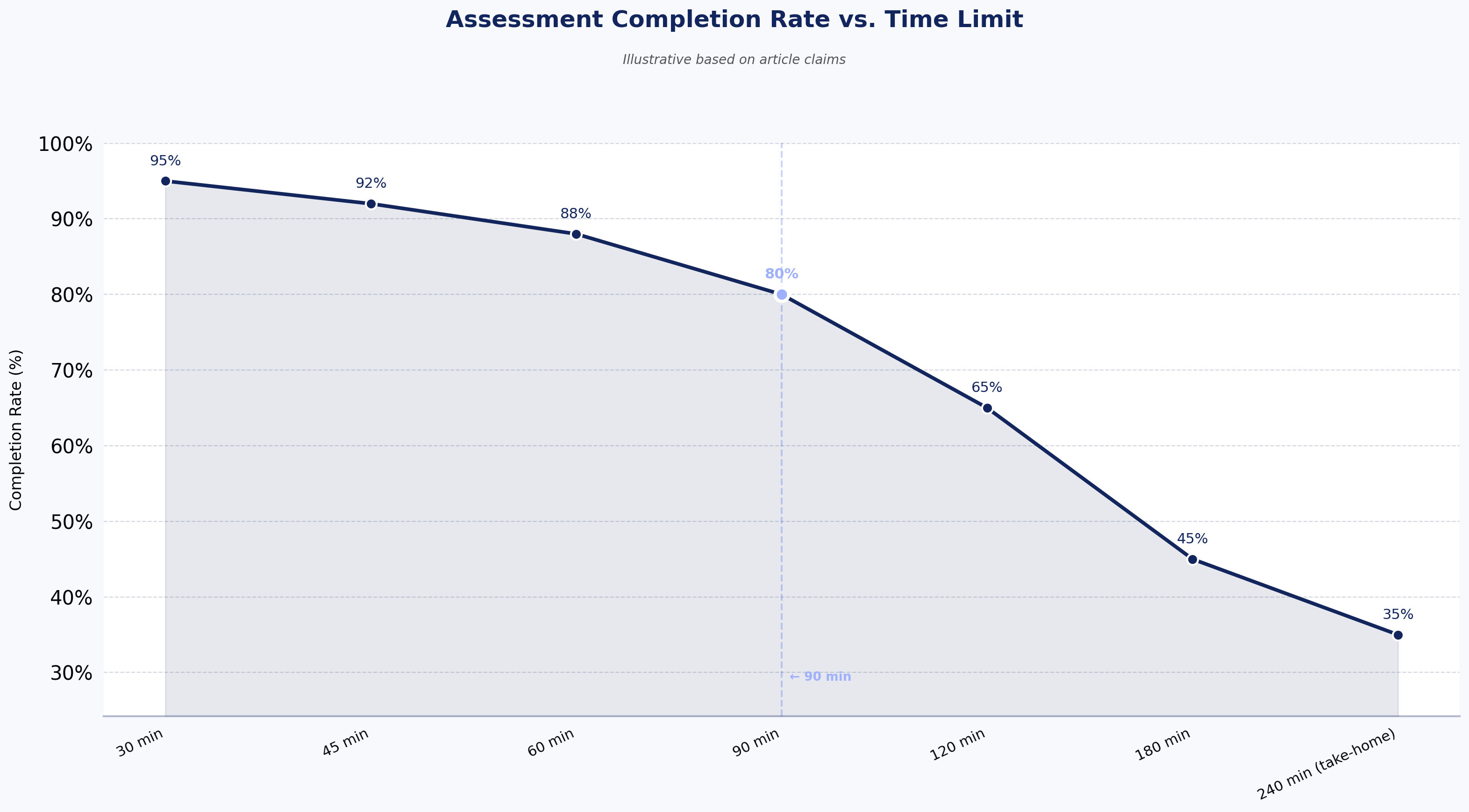
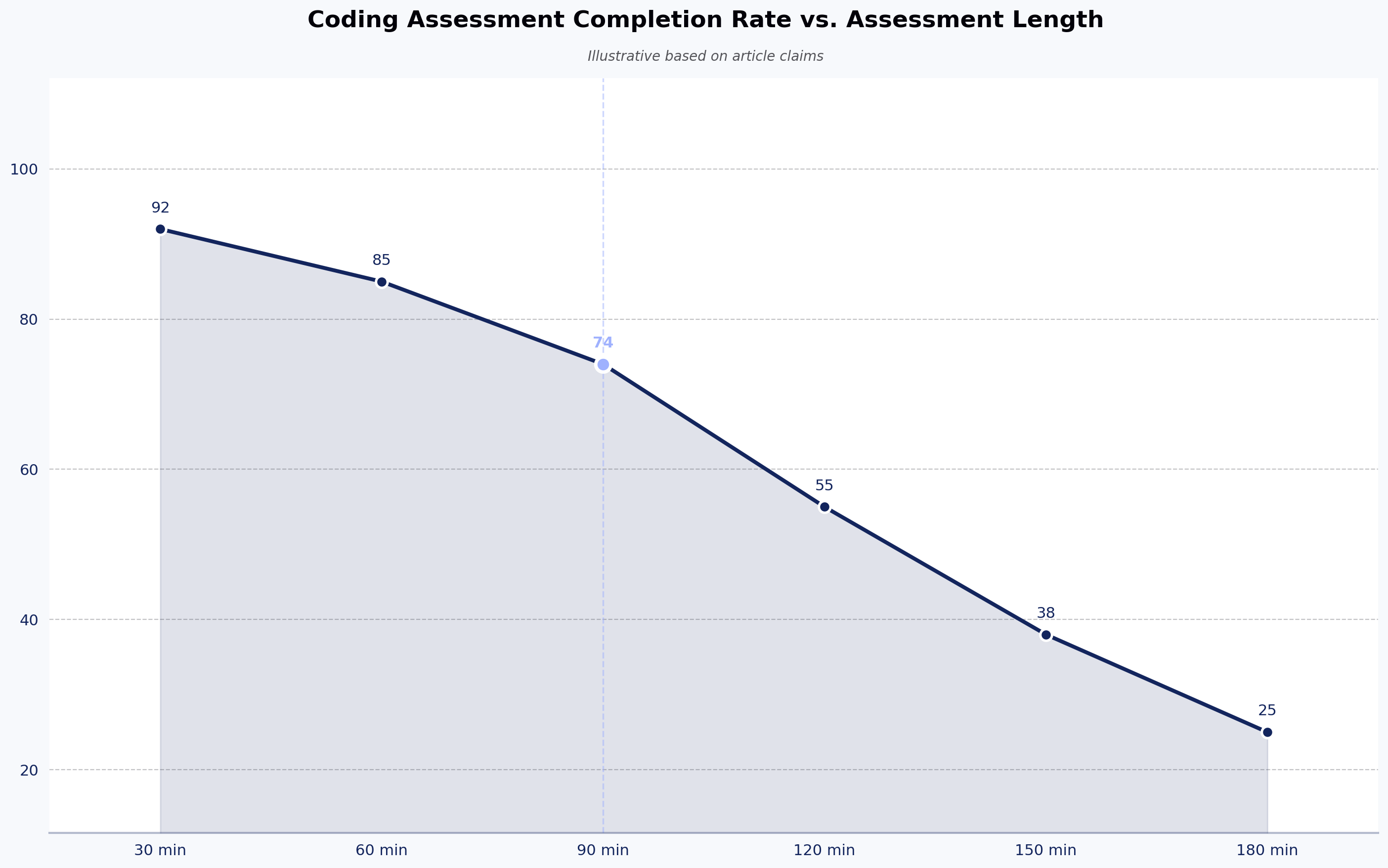
| Assessment completion rate | Whether candidates finish your screening stage | Roughly above 75% suggests a well-designed assessment. |
| Interview-to-offer ratio | Efficiency of your interview stages | Roughly 3:1 or better for well-screened pipelines |
| Offer acceptance rate | Competitiveness of your offers and process speed | Roughly above 80% for strong employer brands |
| 90-day retention | Quality of hire signal | Roughly above 85% indicates good screening |
Start building your remote recruiting process today
The teams pulling ahead in remote recruiting are the ones treating scheduling friction and fraud as first-class design problems, not afterthoughts. The teams that get consistent results are the ones that treat it as a designed workflow — with structured assessments, purpose-built interview tooling, and measurable stage-by-stage metrics — rather than a set of ad hoc video calls.
The Lenskart example proves that even companies transitioning from fully traditional hiring can build effective remote recruiting processes quickly, with the right tools and the right mindset.
If you want to see how a designed remote hiring workflow performs in practice, book a demo and we will walk through how assessments, live coding interviews, and AI-assisted screening fit together for your role mix.
Frequently asked questions about remote recruiting
What is remote recruiting?
Remote recruiting is a hiring model in which sourcing, screening, interviewing, and offer stages happen without requiring candidates to travel to an office. The counterintuitive part: most teams that struggle with it are not failing at video — they are failing at sequencing. Async stages have to do most of the filtering before any live call, or scheduling collapses the pipeline before evaluation quality matters.
What tools do you need for remote recruiting?
The minimum viable stack is an ATS, a coding assessment platform, and a live interview tool with integrated code editing. Everything else — proctoring, AI screening, scheduling automation — is worth adding only when a specific bottleneck appears. Teams often over-buy tooling before they have enough volume to know where their process actually breaks, then end up with overlapping features and unused seats. Start with the minimum and add based on measured pain, not vendor demos.
How do you prevent cheating in remote technical assessments?
Use a combination of browser lockdowns, webcam monitoring, automated identity verification, plagiarism detection, and cross-referencing assessment scores with live interview performance. The single highest-leverage check is the cross-reference — a candidate whose live coding session diverges sharply from their assessment score is a stronger fraud signal than any individual proctoring flag.
How long should a remote recruiting process take?
Timelines vary more by workflow design than by role. Processes that batch async stages (assessment, AI screening, recorded responses) up front and reserve live interviews for finalists can close in under three weeks. Processes that still rely on synchronous panels for every stage often stall at scheduling — that is usually the biggest lever to pull if your remote process feels slow.
How do you assess culture fit remotely?
Include a dedicated conversation with future team members focused on working style, communication preferences, and collaboration scenarios. Share your team's working norms in advance so candidates can evaluate fit from their side as well.
Is remote recruiting more cost-effective than traditional hiring?
Usually, but the savings profile is different from what teams expect. The biggest gains rarely come from travel line items — they come from freeing senior engineer hours previously spent on redundant early-stage interviews, and from being able to hire in markets where compensation is not benchmarked to your headquarters. If your prior process was light on travel to begin with, expect the ROI to show up in cycle time and interviewer capacity rather than in a lower cost-per-hire number.